





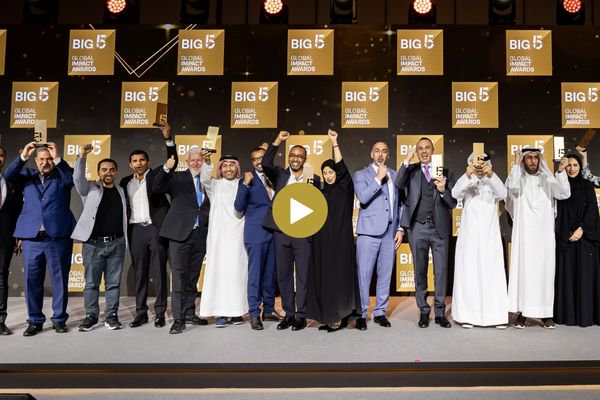
Benchmark your achievements on a global stage
Returning for its sixth edition, Big 5 Global Impact Awards are now open for entries.
Created to celebrate impact in the built environment, the awards recognize projects, teams and organizations raising standards across sustainability, digitalization, leadership and innovation.
An independent, international panel of renowned judges will evaluate every entry against clear criteria grounded in sustainable development, industry transformation and positive impact. Your work will be measured against the best in the world, giving you a clear view of where you stand among industry leaders.
Start your entry and position your work as a global industry gold standard.
Mark your calendar for success


Explore the 2026 categories
honouring excellence
Big 5 Global Impact Awards recognize the built environment for success in a broad range of categories from innovation to leadership.
Individual & team categories
This award will honour a leader (in-house Senior Manager or Director) who is a pioneer in their organization and a role model for their profession. The winner will be an ambassador of environmental, social, and economic issues, this individual will be able to demonstrate how their passion, collaboration, successful work results, innovation and leadership have inspired positive outcomes for their business and the wider construction industry.
- Collaboration (10%)
- Innovation (10%)
- Leadership (20%)
- Educate, support, and encourage successors, colleagues, and peers (10%)
- Performance highlights and results (15%)
- Positive impact on the wider industry (20%)
- Future-proofing projects (15%)
This award will honour a leader (in-house Senior Manager or Director) who is a pioneer in their organization and a role model for their profession. The winner will be an ambassador for embedding technology into their business. This individual will be able to demonstrate how their passion, collaboration, successful work results, innovation and leadership have inspired positive outcomes for their business and the wider construction industry.
- Collaboration (10%)
- Innovation (10%)
- Leadership (20%)
- Educate, support, and encourage successors, colleagues, and peers (10%)
- Performance highlights and results (15%)
- Positive impact on wider industry (20%)
- Future-proofing projects (15%)
The Partnership of the Year award will recognize partnerships between project owners and project teams that demonstrate a collaborative management approach. Entries should deliver clear evidence of alignment of objectives, common culture, team integration, overcoming challenges together, knowledge transfer and wow-factor successes as a team.
- Collaboration (25%)
- Innovation (25%)
- Knowledge transfer (25%)
- Positive impact on wider industry (25%)
Impact Leadership Team of the Year will go to the senior management team driving impact for their business/es and the wider industry. Judges will look for evidence of team collaboration, business engagement and examples of innovation, sustainable development, technology and digital achievements. The winning team will be honoured for their inspirational success story contributing to the transformation of the construction industry. The award celebrates the collaboration and combined efforts of groups of team members working together to meet a planned objective.
Teams can be any group of 3 or more people working within the built environment within a single entity or across the main project stakeholder groups.
(Eligible entrants: project owners, construction consultants, main contractors, engineering firms, and architecture firms.)
- Team collaboration: (25%)
- Measuring impact: (25%)
- Industry innovation: (20%)
- Benefits to wider industry (15%)
- Exceeding team goals: (15%)
Organizational categories
This award will be given to an organization demonstrating how it has embedded sustainability – including Environmental, Social and Governance ESG principles – into its business strategy. Examples may include success stories of employee and stakeholder engagement, competitor advantage, support of the United Nations Sustainable Development Goals (SDGs) and include evidence of quantifiable environmental impact, support for climate change mitigation, low- and zero-carbon initiatives and positive social impact.
- Integrated Sustainability Business Strategy (30%)
- Employer and Stakeholder Engagement (15%)
- Support of UN Sustainable Development Goals (15%)
- Evidence of successful initiatives (25%)
- Innovation (15%)
This award recognizes an organization that through their efforts has helped provide a more diverse and inclusive workplace and culture through initiatives, programmes, policies and practices that have directly enhanced the success and culture of the organization and environment for current employees. Examples of initiative areas could include (not limited to): employing and attracting a diverse workforce, ensuring equal treatment of employees, embracing a culture of diversity and inclusion, providing employees with the support to fulfil their potential, supporting gender balance, supporting parents, leadership development in Diversity and Inclusion (regional/country approach).
- Measuring impact: (30%)
- Employee engagement (25%)
- Collaboration and leadership (15%)
- Training on diversity, equity, inclusion (30%)
Entries for this award must be ‘joint entries’ from both the ‘asset manager and the facilities management firm’. This award celebrates successful partnerships of asset owners and facilities management firms, specifically recognizing partnerships that have demonstrated exceptional impact on the lifecycle of assets. Criteria for this award includes innovative strategies in asset management, sustainability practices that extend asset longevity, and the implementation of measurements to optimize asset performance. Nominees should showcase measurable improvements in asset efficiency, cost savings and environmental impact. Additionally, the award honours those who can inspire the judges with success in proactive maintenance, risk management and stakeholder engagement, ultimately contributing to the overall value and resilience of their facilities. (Examples of measuring impact could include the following areas: Use of AI and data, driving the circular economy, reporting on Environmental, Social and Governance (ESG) principles and occupant well-being.)
- Optimizing Asset Lifecycle (25%)
- Measuring Performance & Efficiency (25%)
- Sustainability & Environmental Impact (20%)
- Innovation in Asset Management (15%)
- Collaboration and knowledge transfer (15%)
Project categories
The Sustainable Construction Project of the Year award will be given to the organization or project teams (cross-company joint entries will be accepted) responsible for delivering an innovative construction project with proven sustainable benefits to the community. The entry must demonstrate that they have gone over and above standards for the built environment and embedded Environmental, Social and Governance (ESG) principles into the project. Evidence should focus on the period, Jan 2025 – July 2026.
- Collaboration (10%)
- Innovation in sustainability throughout the construction planning and project cycle (30%)
- Environmental impact 15%
- Social Impact 15%
- Governance 15%
- Post-delivery community impact 15%
Open to all building types, situated in the Middle East, South Asia, and Africa. This award recognizes and celebrates the retrofit of a building that most effectively demonstrates high levels of user satisfaction while delivering outstanding measured building performance – the vital adaptation and repurposing of existing buildings, setting a precedent to inspire the industry’s carbon footprint in the process. Please include evidence of significant energy/water savings, improved IAQ and contribution to making the building greener. This applies to projects between Jan 2025 – July 2026.
(Eligible entrants: project owners, building operators, architecture and design firms, main contractors and project management companies)
- High levels of user satisfaction (35%)
- Evidence of carbon emissions reduction (20%)
- Wow factor (20%)
- Contribution to making the building greener (25%)
This award will honor project teams who can demonstrate close collaboration with clients, innovation and delivery of a wow-factor project which could inspire the wider construction industry. Entrants will encompass modular construction, manufacturing, planning, design, fabrication, 3D printing and assembly of building elements at a location other than the final project location. Entrants must demonstrate how their project has minimized waste and environmental impact, reduced carbon emissions and maximized labor productivity. This award is open to projects run from Jan 2025 – July 2026.
The Best Use of Technology award is open to organizations (non-technology providers) who can show how they have used technology to improve processes and efficiency, while engaging teams and/or clients in technology. Organizations should provide evidence of how the business case for the technology was developed, data-driven decision-making, specific innovations, improvements in business and/or project performance, competitive advantage, benefits and any potential to disrupt the wider industry.
- Collaboration (15%)
- Innovation (15%)
- Improved processes and efficiency (20%)
- Successful Implementation (15%)
- Positive impact on the wider industry (15%)
- Data-driven decision-making (10%)
- Employee Engagement (10%)
The Best Use of AI of the Year Award is open to organizations (non-technology providers) who can show how they have used AI to improve processes and efficiency, while engaging teams and/or clients. Organizations should provide evidence of how the business case for AI was developed, data-driven decision-making, specific innovations, improvements in business and/or project performance, competitive advantage, benefits and any potential to disrupt the wider industry.
- Collaboration (15%)
- Innovation (15%)
- Improved processes and efficiency (20%)
- Successful Implementation (15%)
- Positive impact on the wider industry (15%)
- Data-driven decision-making (10%)
- Governance (10%)
Initiative categories
The Sustainable Initiative of the Year award will go to the single initiative demonstrating successful implementation, showing clear measurements of success, collaboration and outcomes – including Environmental, Social and Governance ESG principles – in its work. Evidence should focus on the period Jan 2024 – July 2026.
- Evidence of successful initiative (40%)
- Innovation (15%)
- Collaboration (15%)
- Employee and stakeholder engagement (15%)
- Benefits to wider industry (15%)
Open to all building types, situated in the Middle East, South Asia and Africa. This award recognizes and celebrates the retrofit of a building that most effectively demonstrates high levels of user satisfaction while delivering outstanding measured building performance – the vital adaptation and repurposing of existing buildings, setting a precedent to inspire the industry’s carbon footprint in the process. Please include evidence of significant energy/water savings, improved IAQ and contribution to making the building greener. This applies to projects between Jan 2025 – July 2026.
(Eligible entrants: project owners, building operators, architecture and design firms, main contractors and project management companies)
- High levels of user satisfaction (35%)
- Evidence of carbon emissions reduction (20%)
- Wow factor (20%)
- Contribution to making the building greener (25%)
The Workforce of the Future Initiative award will go to an organization that has successfully implemented a programme to encourage young people into its workforce, improve the skills of its current workforce, focus on worker welfare and introduce processes that enable transition, encourage knowledge transfer and foster innovation. Evidence should demonstrate employee engagement in digital transformation, data projects, training and development programmes and attracting and recruiting young professionals. Evidence should focus on the period Jan 2024 – July 2026.
- Evidence of successful recruitment/training programme (30%)
- Evidence of successful upskilling programme (30%)
- Successful culture of innovation and knowledge transfer (10%)
- Programme Participation Engagement (15%)
- Leadership, employee, stakeholder, and client engagement (15%)
This category will recognize leading initiatives (across the Middle East, Africa and South Asia) that implement a reduction in embodied carbon during the construction of new infrastructure, or buildings that support carbon net zero aims. The initiative could also be an alternative design, use of new materials or innovative equipment to reduce energy consumption during a project and its lifecycle. The project does not have to be complete, however, evidence is requested that shows the lower or zero carbon impact of the initiative. How the initiative presents a reduction in embodied carbon and the impact of the design on reducing operational carbon should also be demonstrated where possible. (Product suppliers are not eligible). Evidence should focus on the period Jan 2024 – July 2026.
The successful initiative could be an example of reusing materials and/or design for deconstruction to efforts to establish marketplaces for used building materials. Initiatives must show how they are reducing emissions from building materials and the industry’s impact on nature and biodiversity. Example initiatives could include: new design approaches and solutions towards the waste-free building, new fabrication, construction and deconstruction strategies enabling circularity, adaptable, upgradeable, regenerative, resilient building technologies and systems, upcycling of building and construction waste materials, product-service systems (PSS) and performance-based contracts, innovative business models for circular building materials, products and technologies, industry 4.0 digital technologies and platforms for circular transition management, circularity-readiness and performance assessment strategies (beyond LCA), applied research, demonstration projects and case studies.
Evidence can be provided on the contribution of gathering, storing, exchanging and using data, including the valuation of the financial and environmental impact of materials and products used. Evidence should focus on the period Jan 2024 – July 2026.
- Evidence of reducing emissions from building materials and/or the industry’s impact on nature and biodiversity (50%)
- Implementation of the business model for circularity (25%)
- Evidence of knowledge transfer and data gathering for results (25%)
This award recognizes examples of:
- Heritage design and architecture. Heritage structures could include cultural, natural and mixed projects or buildings.
- Conservation Management Plans (CMP)
- New projects that have been conceived for the protection and conservation of the surrounding area.
- Methods of restoration, rehabilitation, reconstruction and maintenance of existing historic buildings.
Evidence should focus on the period Jan 2024 – July 2026.
- Evidence of social impact (25%)
- Measurements and results (25%)
- Wow factor (15%)
- Innovation – project/community differentiators (35%)
Liveable City Initiative of the Year award will recognize the initiative demonstrating sustainability and environmental awareness, as well as having a positive impact on the local community and environment. The best practice of the initiative should directly facilitate cities to realize the goals of safety, health, resilience and sustainability. Examples of the following can be submitted: collaboration, connectivity, reducing environmental footprint and waste, access to healthcare and education, resilience, urban mobility, safety, security and data-driven performance.
Eligible initiatives will be those that have been completed within Jan 2024 – July 2026. Entries may be submitted from government entities, municipalities, developers, consultancies, contractors and architecture firms.
This award is open to organizations (non-technology providers) that can demonstrate how they have successfully implemented sustainable digital transformation in their business. Entrants must show how they have successfully impacted the business by focusing on fixing pain points, team collaboration, operational change and fostering innovation. Examples of improved productivity, digital use cases and positive impact on internal productivity, client projects and engagement should be provided. Evidence should focus on the period Jan 2024 – July 2026.
- Evidence of successful digital transformation implementation (30%)
- Evidence of future digital plan (15%)
- Collaboration (15%)
- Innovation (15%)
- Evidence of improved productivity, and efficiency (10%)
- Positive Impact on Client Projects (15%)
Who can enter?

Project
owners

Consulting
firms

Project management
companies

Main
contractors

Architecture
firms

Engineering
firms

Facilities management
companies

Real estate
developers
How to enter
Stay ahead of the game - know the deadlines, refine your entry and ensure the spotlight stays on you.

All entries must be submitted online

Select the categories you wish to enter

Review the information required
Upload supporting documents

Submit your entry before the deadline
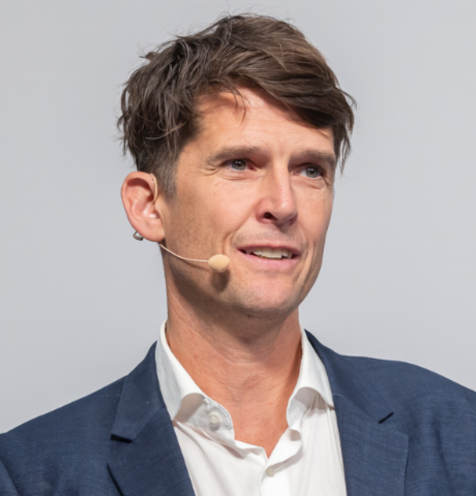
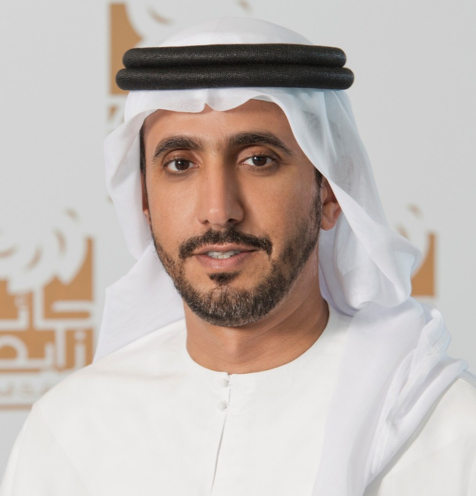
Our 2025 judging panel included
Our international and independent judging panel represents the highest standards of excellence - your work will be evaluated by the best.




































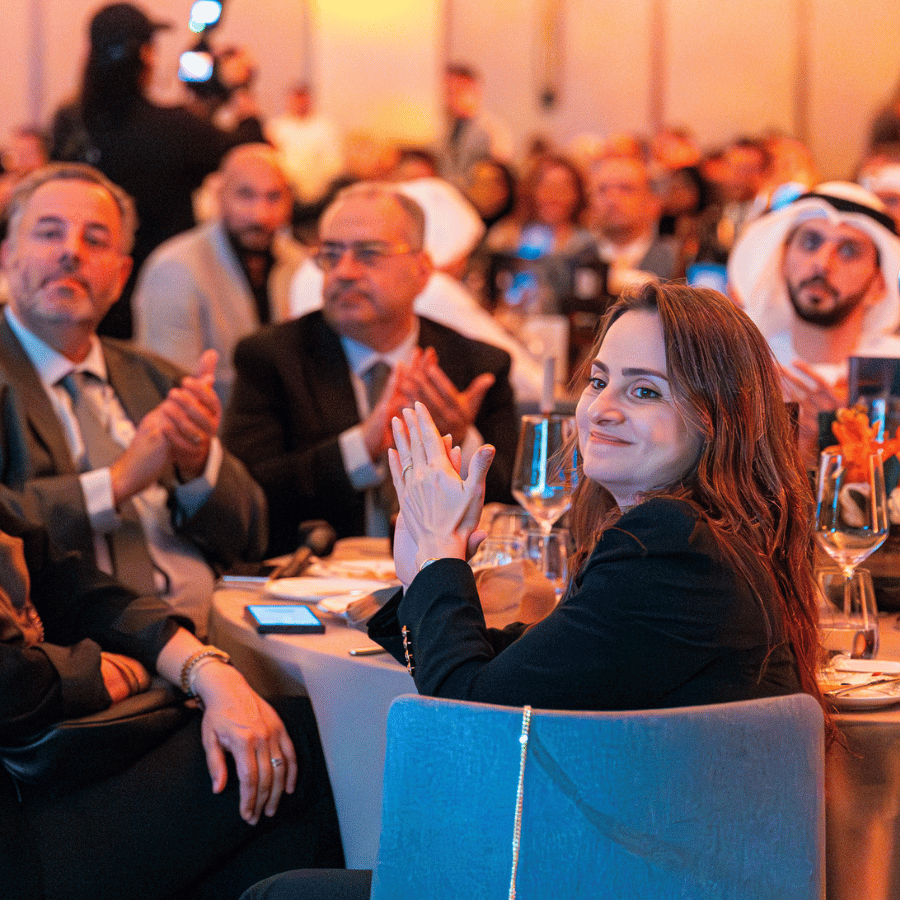
"Awards like these motivate both the company and the team and they also help us see what others in our field are doing. They make you feel more involved and energized in your work. This recognition gives us greater confidence to continue pushing further into technology, and it encourages us to aim even higher moving forward."
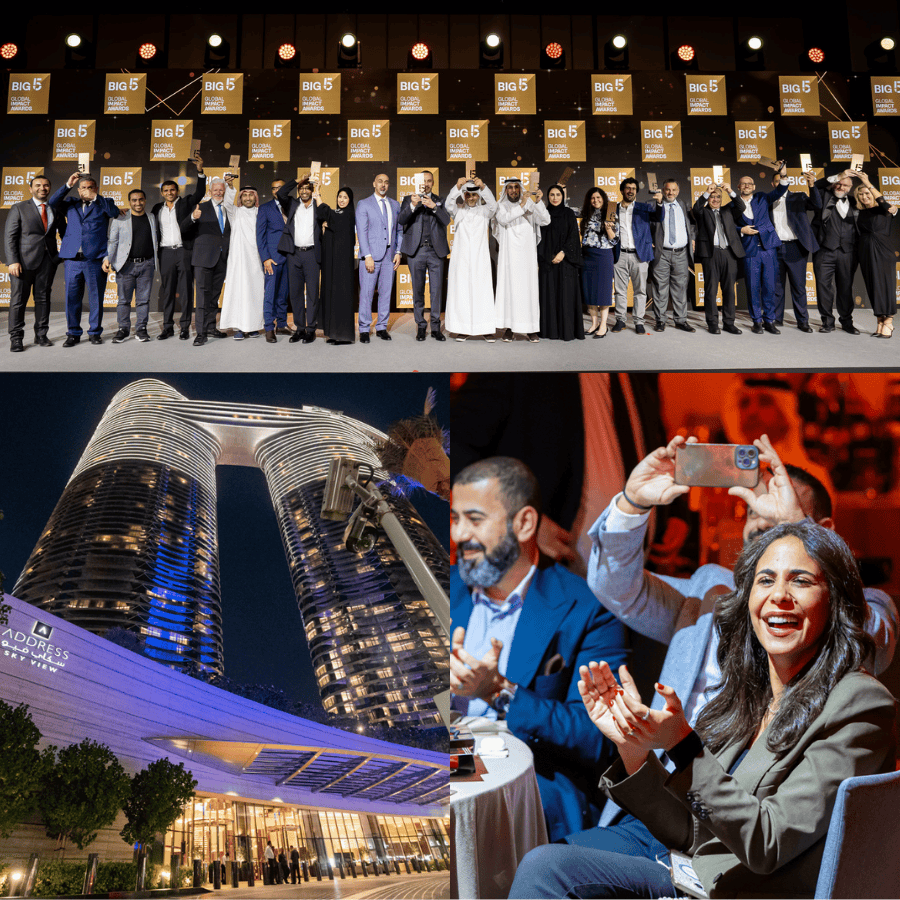
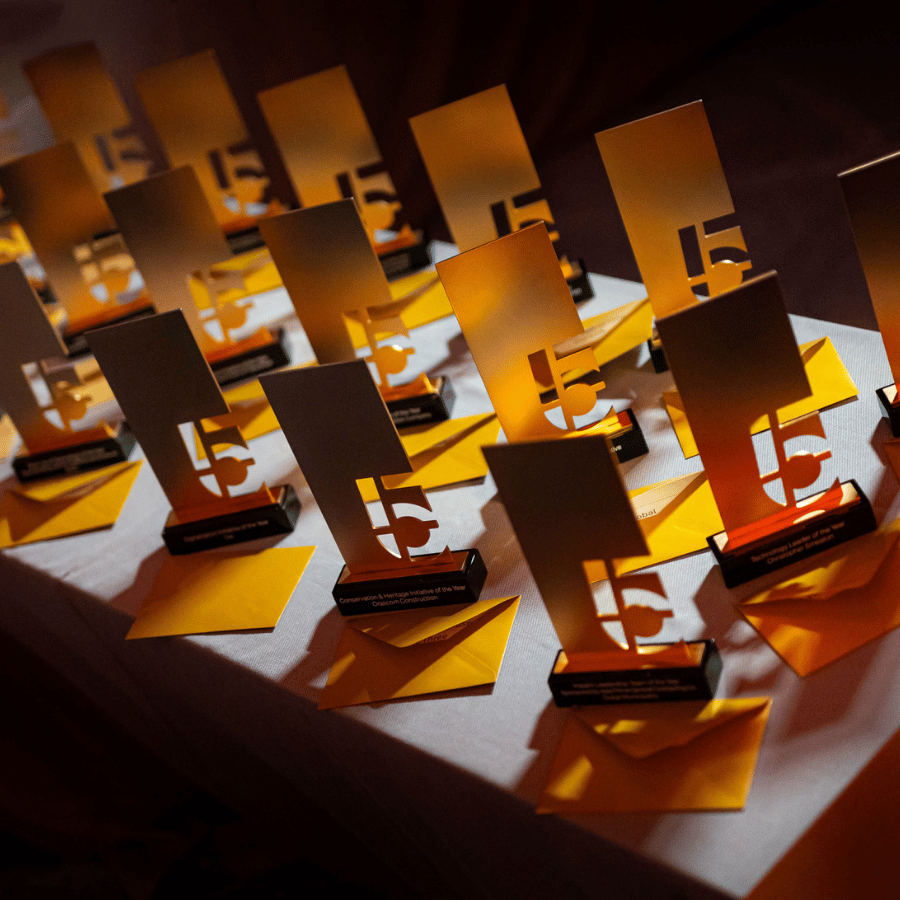
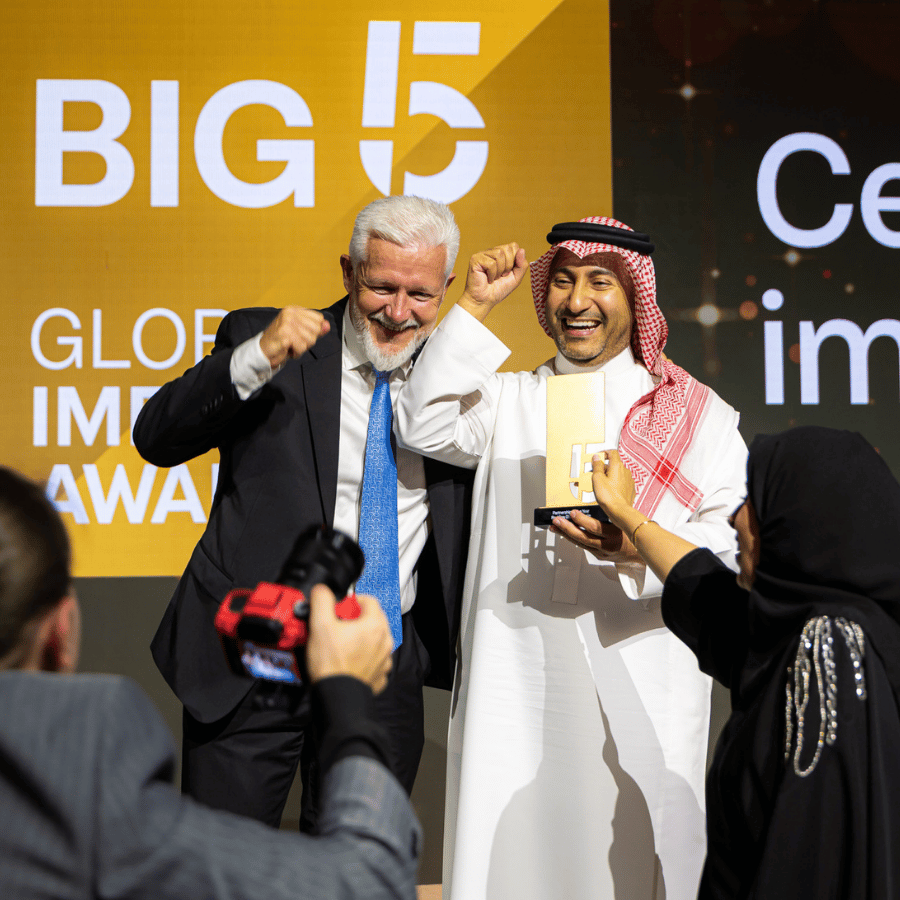
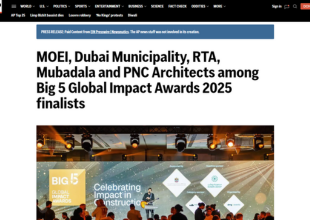
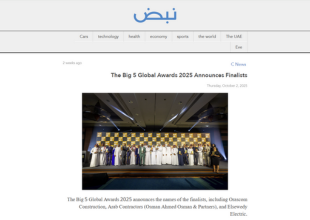
Congratulations to our Big 5 Global Impact Awards 2025 winners

CARBON NET-ZERO INITIATIVE OF THE YEAR
Mubadala Investment Company
AWARD FOR IMPACT ON ASSET LIFECYCLE
Sponsored by Future FM
Darwish Interserve Facility Management and Milaha
BEST USE OF TECHNOLOGY OF THE YEAR
Sponsored by Würth Professional Solutions
ALEC
BIM/ Innovation/ IT
BEST USE OF TECHNOLOGY OF THE YEAR - AI
AI-Powered Visualization, Cloud Collaboration
CIRCULARITY INITIATIVE OF THE YEAR
Mustadam Limited
WORKBOX Solution at NEOM
CONSERVATION & HERITAGE INITIATIVE OF THE YEAR
Orascom Construction
The Grand Egyptian Museum Phase III
DIGITALIZATION INITIATIVE OF THE YEAR
Dar
Living-Labs: PARA OS at Dar and Sidara HQs
IMPACT LEADERSHIP TEAM OF THE YEAR
Sponsored by Asia Prime General Contracting Co
Dubai Municipality
Buildings Regulation & Permits Agency
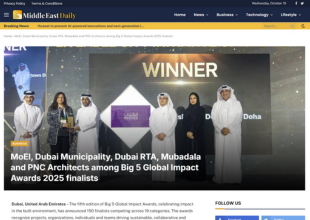
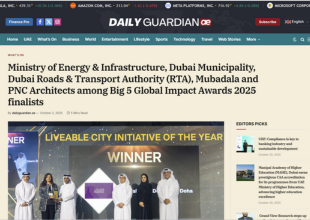
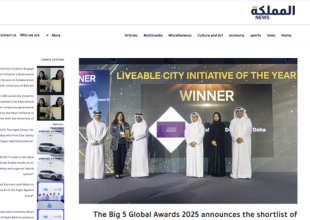
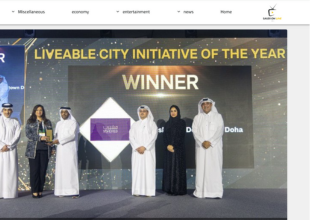
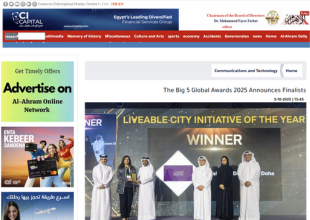
LIVEABLE CITY INITIATIVE OF THE YEAR
The Arab Contractors Company (Osman Ahmed Osman &Co.)
Greater Cairo Monorail
MODULAR CONSTRUCTION PROJECT OF THE YEAR
DuPod Industries L.L.C
Four Seasons Resort Red Sea, Saudi Arabia
PARTNERSHIP OF THE YEAR
Red Sea Global & Oracle
RETROFIT PROJECT OF THE YEAR
Nad Al Sheba Mall
SUSTAINABILITY LEADER OF THE YEAR
Msheireb Properties
Eng. Ali Al Kuwari
SUSTAINABLE CONSTRUCTION ORGANIZATION OF THE YEAR
Climatize, part of +impact
SUSTAINABLE CONSTRUCTION PROJECT OF THE YEAR
GEMS Education
GEMS Founders School, Abu Dhabi (GFA)
SUSTAINABLE INITIATIVE OF THE YEAR
Solar Water Initiative
TECHNOLOGY LEADER OF THE YEAR
HBA | Hirsch Bedner Associates
Christopher Smeaton
WORKFORCE OF THE FUTURE INITIATIVE
Red Sea Global
RSG Educational Programs
AWARD FOR DIVERSITY, EQUITY & INCLUSION
Hear from our community
Big 5 Global Impact
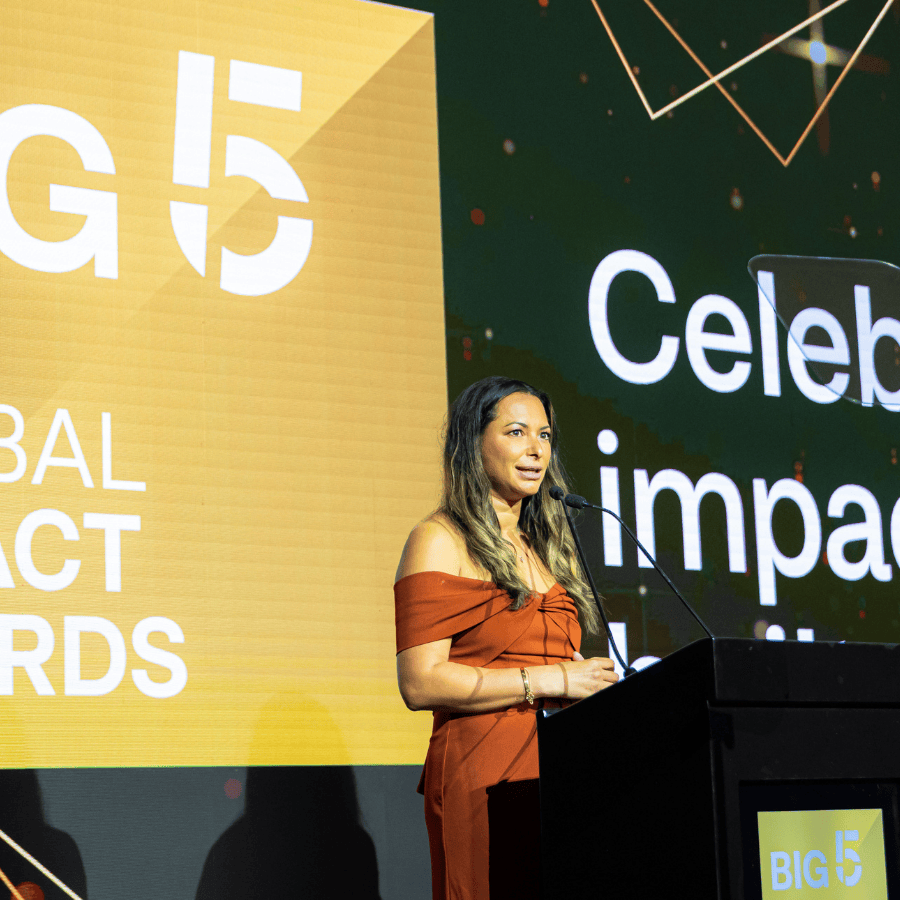
Awards highlights 2025


Thank you to our 2025 sponsors
and partners
















MEMBER OF


dmg events is a leading organizer of face-to-face events and publisher of information services. Our aim is to create dynamic marketplaces to connect businesses with the right communities to accelerate their growth in today’s rapidly evolving landscape.